For many years, Seattle had a mild climate that didn’t require air conditioning. However, as time has passed, the summers are getting hotter, and more and more homeowners wish they could cool down their homes (over the last three years, Seattle has averaged 43 days above 80 degrees).
In addition to higher temperatures, drier conditions occur, and in the late summer months, the area is more prone to wildfires and smoke. Of the 1.6 million housing units in the Seattle area in 2021, about 844,400 — roughly 53% — had a primary air conditioning source, with about 21% using central air and nearly 30% relying on room air conditioning.
Benefits of Cooling Down Your Home
- An AC system can improve your home's air quality thanks to its enhanced filtration. This will also enhance the quality of life for people with allergies and help prevent asthma attacks.
- Studies have shown that sleeping in a cooler room can improve your sleep quality and help combat insomnia. Therefore, keeping the temperature in your sleeping area around 65 degrees is recommended.
- Many people are working from home these days. Working in a cooler room can help reduce your stress level and improve cognitive function.
- Cooling down your home helps fight odors.
- Using an air conditioning unit in your home may deter pests and parasites. Insects generally prefer warmer climates, so AC helps deter them from making homes in your space. As a result, lowering your body temperature makes you less appealing to parasites like mosquitoes.
- Living in an air-conditioned home reduces dehydration and the risk of heat stroke - a benefit especially important for elderly people. Pets will also be affected just as much as humans in hot conditions and will have a harder time cooling themselves down.
- Adding a forced-air or mini-split AC system may increase home value in the greater Seattle area.
3 Main Options for Air Conditioner Installation
1. Forced Air
Forced air is an excellent option if you already have a forced heating system in the home. Adding air conditioning to your existing system is typically the most cost-effective option for maximum cooling. However, this method does require professional installation and may not be the most cost-effective option if you are currently running on a system other than forced heat.
2. Ductless Mini-Splits
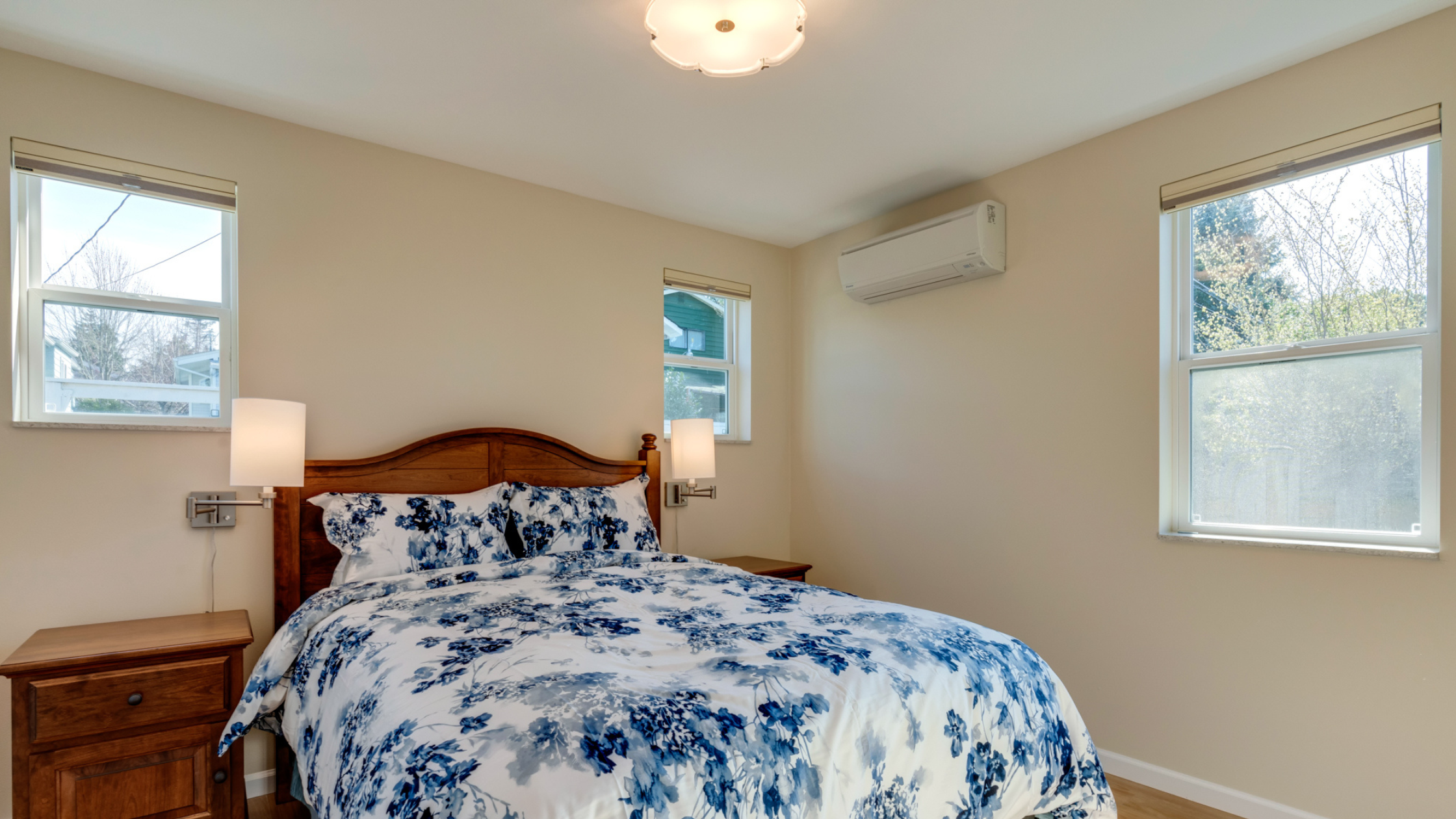
Mini-splits are energy-efficient and are often used in new construction. They work great for “zone cooling” when you only want to add air conditioning in certain rooms or areas of the home. This method will require professional installation.
3. Window Unit or Portable Air Conditioner
This is the DIY home cooling approach. Typically, this method looks like window-mounted or floor units plugged into a standard wall outlet. While it’s relatively inexpensive, quick, and easy, it requires seasonal installation, takes up floor and window space, won’t cool an entire home, and isn’t very aesthetically pleasing.
Air Conditioning Installation Cost Considerations
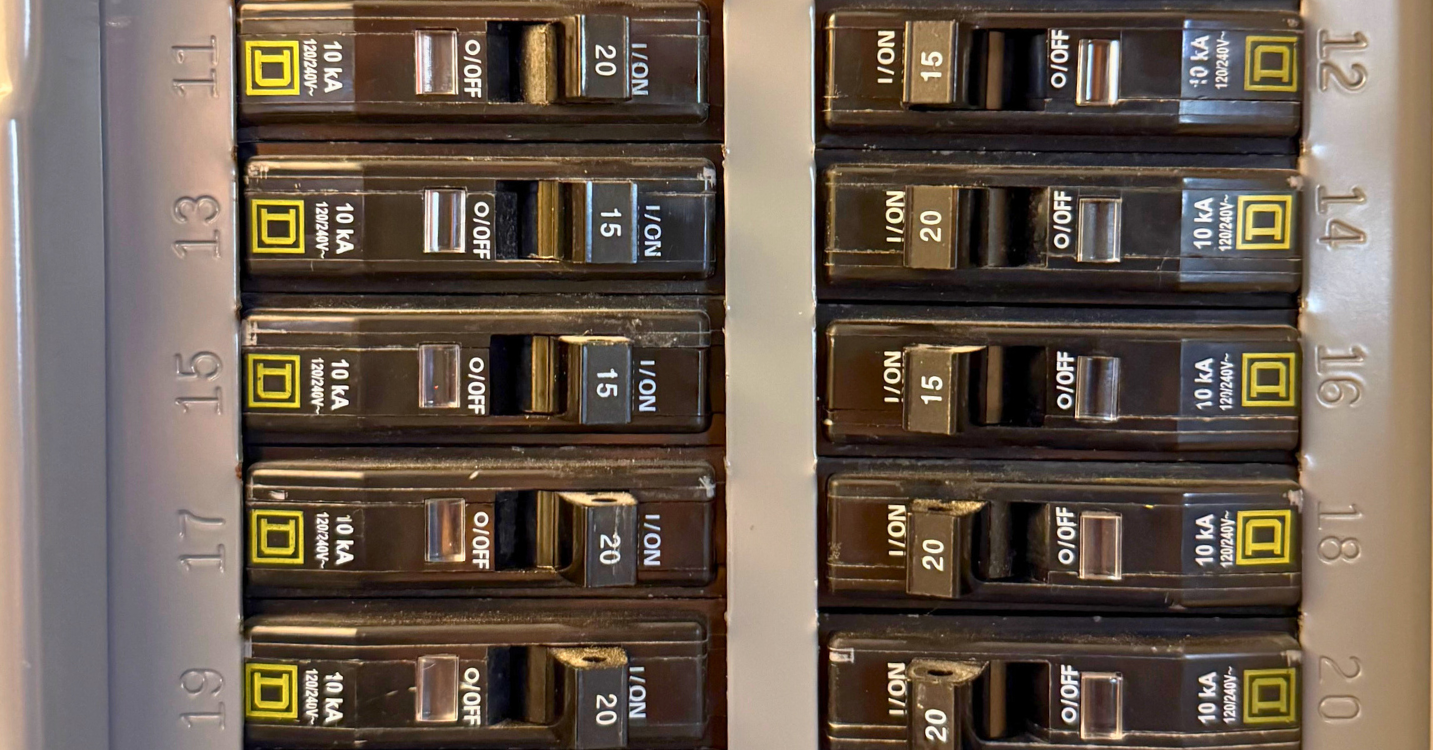
- Forced air is the current air handling unit that supplies heat compatibility to install air conditioning; if not, the furnace may need to be replaced when you add air conditioning. In addition, forced air conditioning includes an outdoor heat pump and requires upgraded electrical, so you may need to account for this additional cost when budgeting for your HVAC installation. However, air ducts typically do not need to be replaced, making forced air appealing.
- Forced air may be an affordable option if you already have a forced heating system. However, if you don’t have forced heat, this option can be costly because ductwork would need to be installed, which could cost 3-4 times as much as a mini-split system. The common recommendation in this case would be to install a mini-split as your air conditioning system.
- Mini-split systems are cost-efficient in new construction or homes that do not currently have forced heat. They’re also great if you only want zoned cooling (cooling specific spaces). In new construction, a mini-split system may be more affordable than a forced heating & air system.
Don’t Lose Your Cool
Summers will only continue to get hotter. The problem of most Seattle homes lacking HVAC systems isn’t going away, and realistically, as demand for AC units increases in the area, prices will likely follow suit. When asking yourself, “Is AC installation worth it?” consider what your health and quality of life are worth to you.



.png)
.jpg)