It often starts with the everyday things. Trying to cook dinner while someone squeezes behind you to reach the fridge. Holding a work meeting at the same time your teenager practices the piano in the next room. Searching for a quiet corner to breathe, only to remember that extra space doesn’t exist yet. These small frustrations add up until one day you realize it’s time to create a home with the square footage that supports your family, rather than competing with it.
That’s where the idea of a home addition begins, and with it, the natural concern about how construction will affect your daily routines.
The truth is that construction during a home renovation or addition will bring change. Noise, dust, and temporary access limitations are part of the process, and acknowledging that early gives homeowners the power to plan for it rather than be surprised by it.
At Better Builders, we believe minimizing disruption begins with transparency. Instead of glossing over the realities of a home addition project, we walk through them with our clients, explaining what’s ahead so we can prepare together, plan strategically, and move through each phase as true partners from the start.
Table of Contents
1. Understanding Your Family Dynamics Is the First Step
2. Sequencing Your Home Addition: A Crucial Step Toward Less Disruption
3. What It’s Like to Live at Home During Construction
4. When Temporary Relocation Makes More Sense
5. Choose a Team That Tells You the Truth, Not What You Want to Hear
6. Understanding the Investment Beyond the Construction
Understanding Your Family Dynamics Is the First Step
Every successful home addition begins long before construction starts. It begins by understanding how your family truly lives. Within our first few conversations with homeowners, we listen for the details that shape your daily rhythm, because those details determine how disruptive construction will feel and how we can plan to minimize it.
Do You or Your Partner Work From Home?
For many Seattle-area homeowners, remote work is part of everyday life, which makes planning for a home addition even more important. We begin by understanding how your workday functions:
- Do you take sensitive virtual meetings?
- Do you need a dedicated home office to stay productive?
- Is your workspace a quiet corner or the center of the living area?
Some homeowners find creative temporary solutions, like transforming a small space off the garage into a quiet home office. Others realize they may need to work from their employer’s office for a while or use a coworking space during the noisiest phases. These early conversations clarify what it will take to maintain your workflow once the home renovation begins.
The kind of work you do matters, too.
If your days are filled with virtual meetings or client calls, construction noise can be a real challenge. If your job is more independent, think writing, coding, or administrative work, you may be able to stay home, as long as you are comfortable with some background disruption.
Our goal isn’t to push you in any direction. It’s to help you clearly understand what living and working at home during construction will actually feel like, so you can plan with confidence.
How Will Your Kids Navigate the Construction Zone?
Children experience construction differently from adults. Their living room, dining room, or play area might suddenly shift as the new space takes shape. We help you think through:
- Where they’ll do homework if certain rooms are closed off
- Whether staging areas will disrupt the backyard or landscaping
- How after-school programs can help maintain structure during busy phases
When we understand your children’s needs, we can build a plan that keeps your routines as stable as possible.
What About Pets?
Pets feel the impact of construction as much as anyone. Sudden noises, unfamiliar subcontractors, or fenced-off areas can be stressful. When a home addition affects your pet’s usual bathroom routes or play zones, we help create safe temporary pathways, fenced areas, or signage to guide workers.
Keeping pets safe and comfortable is part of making your renovation project livable.
Planning for Families With Unique Needs
Every family has unique needs, and for some, construction disruption can feel more intense. Maybe someone in your home is sensitive to noise or smells, or perhaps you’re caring for an aging parent or a loved one with mobility or sensory challenges. In these situations, we slow down, talk honestly about what the experience will be like, and help you plan for quiet spaces, safe pathways, and predictable routines. And if staying in the home isn’t realistic, we’ll work with you to find temporary living arrangements that protect your family’s comfort and peace of mind.
This Step Shapes the Entire Project
These early conversations aren’t just information gathering. They set the foundation for a construction plan that is functional, respects your lifestyle, prioritizes safety, and reduces day-to-day disruption. When we understand how your home supports your family’s needs today, we can help you move through the project with fewer surprises and a clearer sense of what to expect.
Sequencing Your Home Addition: A Crucial Step Toward Less Disruption
Once we understand how your family moves through the home, the next step is designing a construction plan and home addition timeline that respects that rhythm as much as possible. Sequencing is the order in which the work happens, and this plays a huge role in how disruptive the project will feel.
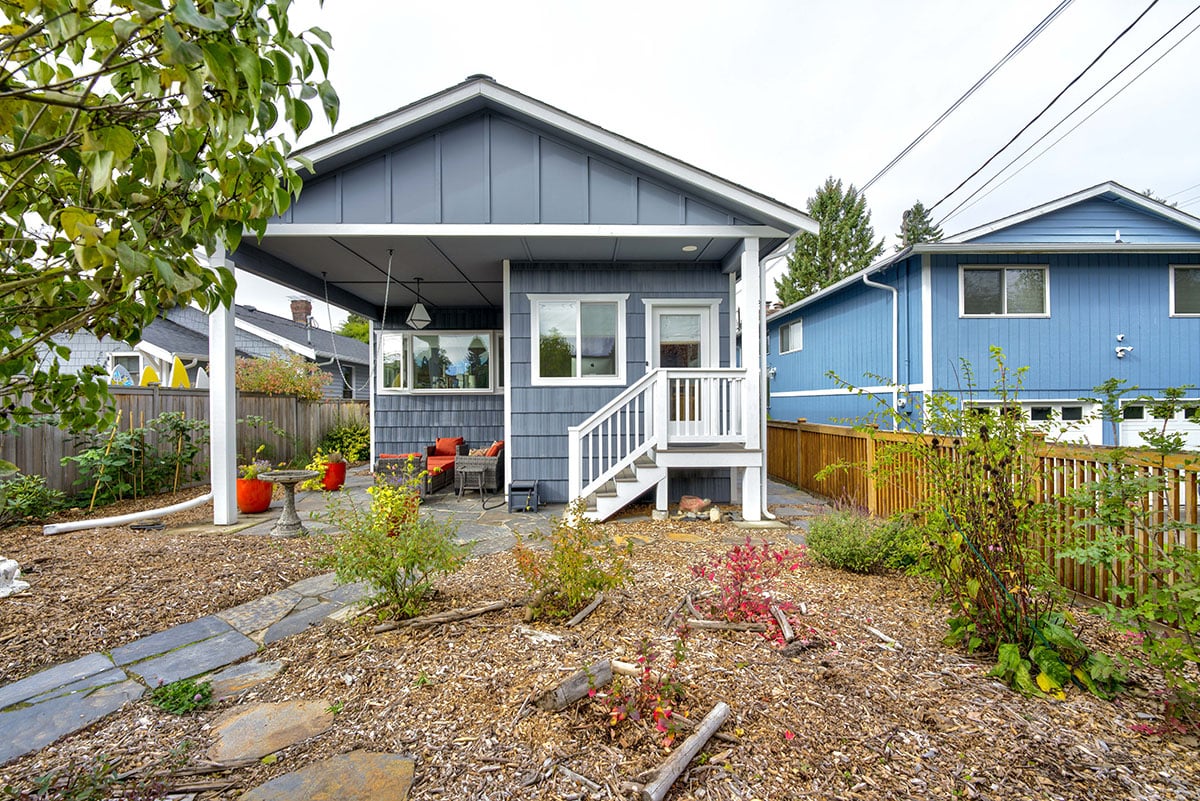
Sometimes the structure of your new addition works in your favor. If we’re building a new space that connects to the existing home through a single doorway or pass-through, much of the work can happen outside your everyday living area. That means siding, roofing, wiring, and even flooring can be installed before we ever open the wall between old and new. In these cases, disruption inside your home might only span a few days rather than weeks.
Other times, however, the project touches spaces you rely on every day. A kitchen remodel with a bump-out addition, for example, often requires us to open walls on day one. Dust partitions go up early. Appliances are disconnected. The flow of your home shifts instantly. This kind of addition doesn’t wait politely; it asks you to adapt right away.
Being honest about these differences helps you picture what the project will actually feel like and plan your routines accordingly.
.jpg?width=1600&height=1067&name=willett-house-custom-build%20(39).jpg)
What It’s Like to Live at Home During Construction
Some families stay in their home throughout the home addition project. Others choose temporary relocation. Both are valid choices, and each comes with its own experience.
When families stay, we help create temporary spaces:
- A bathroom or laundry room becomes a small kitchen
- A guest room becomes a homework zone
- A quiet nook becomes a retreat from daily construction
Pets get special attention, too. Temporary fencing, signs for workers, and controlled access points make the home safer.
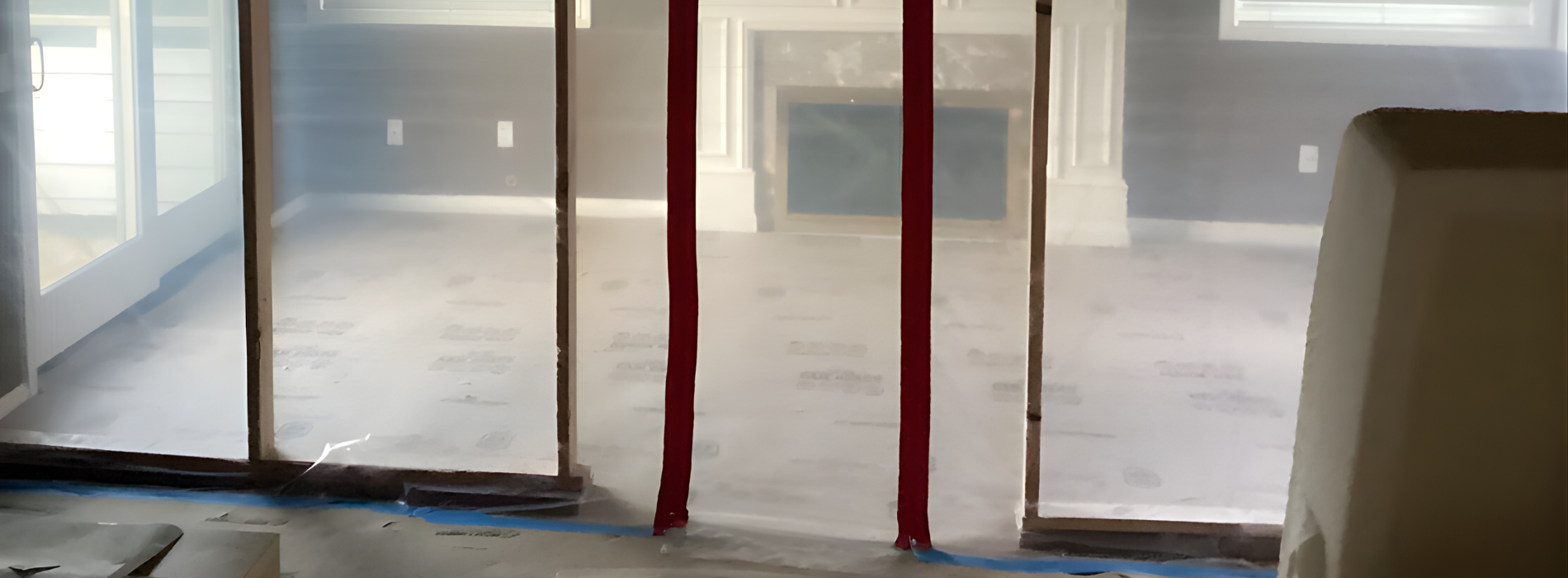
And because curiosity is natural, we also remind families that safety barriers only work when they remain closed. Temporary dust walls and plastic partitions help protect your home, but they rely on shared responsibility. Opening them, even for a quick peek, can undermine the very protections designed to keep your living areas clean and safe.
Want a deeper look at what to expect when staying on site? Read 8 Things to Consider When Living on Site During a Home Renovation.
.png?width=1200&height=1006&name=BB%20Socials%20(11.23.24%20ES).png)
When Temporary Relocation Makes More Sense
For some homeowners, staying in the home simply isn’t possible. Maybe you have a job that requires quiet, uninterrupted focus. Maybe a family member is sensitive to noise or dust. Maybe your routines rely heavily on access to spaces that won’t be functional during construction.
In these situations, temporary relocation becomes a practical solution rather than an inconvenience.
Some families stay with relatives. Others rent a short-term apartment or stay in an extended-stay hotel. And in the Pacific Northwest, it’s surprisingly common for homeowners to live in their RVs or campers during construction. When that’s the case, and your RV is parked in the driveway, we can help ensure you have access to what you need: plumbing, power, and safe parking.
Temporary housing is an investment, and planning early matters. By laying out a clear schedule and identifying when the “heaviest lifting” will take place, we can often minimize how long you need to be away. Sometimes, thoughtful planning can even save you thousands in rental costs by shortening your displacement to only the most disruptive weeks. Again, this relies on accurate sequencing.
Planning ahead often reduces how long you need to be away, which is a critical strategy for controlling the home addition cost. The goal is always the same: help you choose the option that best supports your comfort, your work, and your family’s stability.
Understanding Dust, Noise, and Debris: What’s Truly Manageable
As much as we work to minimize disruption, construction comes with three unavoidable realities: debris, dust, and noise. Each behaves differently, and understanding that helps set realistic expectations.
Debris — the easiest to control
Debris is predictable. At the end of each day, materials are stacked, pathways are cleared, and trash is gathered into designated areas. A clean job site isn’t a luxury; it’s a sign of a professional design-build team.
Dust — more challenging
Dust, however, has a mind of its own.
Even with temporary walls, negative-air machines, and filtration systems running (all of which we install), dust can migrate through air movement, clothing, and shoes. We do everything possible to contain it, but there is no such thing as a dust-free home remodel. The goal here is reduction, not elimination.
Noise — the hardest to manage
Noise is a part of construction that no contractor can truly control. Hammer swings, saw cuts, demolition, heavy equipment, and job-site radios create unpredictable sound levels that travel through walls and floors. We can schedule around some tasks, but construction simply has moments that are loud.
Again, being upfront about these realities doesn’t lower the quality of your project; it empowers you to plan realistically, make informed decisions, and feel supported through the process.
.png?width=1200&height=800&name=west-seattle-first-floor-reno-addition-before%20(9).png)
Choose a Team That Tells You the Truth, Not What You Want to Hear
One of the most important parts of minimizing disruption isn’t a tool or a technique; it’s honesty.
Home additions often ask families to make real adjustments to their routines. Sometimes that means rearranging your living space, and sometimes it means stepping away from home for a short period of time. A trusted design-build partner tells you exactly how your home addition will affect your living space, not just the fun parts like picking new countertops, designing in natural light, or adding square footage.
That’s why we approach every project with transparency. If a kitchen expansion will take your cooking space offline on day one, we’ll tell you. If a tie-in requires shutting off power or water for a few hours, we’ll plan it together. If your work-from-home setup isn’t compatible with the noise levels we know are coming, we’ll help you explore options that protect your schedule and your peace of mind.
We’ve walked homeowners through countless real-life scenarios, and through each one, clarity has made all the difference.
A good partner doesn’t make promises that sound easy in the moment. A good partner helps you prepare for what’s real, offers solutions before problems arise, and walks alongside you through every phase of the project.
Our goal is to support your family with the respect and honesty you deserve, not just build a home addition.

Understanding the Investment Beyond the Construction
A home addition is as much a transformation of your daily life as it is a transformation of your space. For a while, you may hear new sounds, see new people, and navigate new routines. But with thoughtful planning, open communication, and a partner who truly listens, the experience becomes far more manageable, and in many cases, even exciting.
When you understand what’s coming and feel supported through each step, the disruption becomes temporary, and the result becomes lasting: a home that finally works for the way your family lives.
At Better Builders, that’s the experience we strive to create. We plan carefully, communicate clearly, and treat every project like a partnership. And when the dust settles, and the tools are packed away, we want you to walk into a finished space that feels worth every step it took to get there.
If you’re considering a home addition and want to feel fully prepared, download our free Home Addition eBook. It’s filled with expert insights, planning tips, and guidance to help you move forward with confidence.




.png)