When homeowners ask whether a home addition is worth it, they’re really asking one core question: Will this actually add to my home value, or just cost me money?
It is a fair question. A home addition is a significant investment, and unlike a new couch or a fresh coat of paint, it is not something you undo easily. The good news is that an addition is one of the few home renovation projects that can deliver real, measurable value. But that value is not automatic.
Whether an addition boosts resale value depends on how, where, and why the space is added. Square footage alone is not enough. Buyers care just as much about how the space works, how it feels, and how well it fits the home as a whole.
Before jumping into design or construction, it helps to understand what actually drives value and what can quietly undermine it.
Table of Contents
1. Start With a Needs, Wants, and Desires Exercise
2. Not All Additions Create Value Equally
3. How Placement, Flow, and Cohesion Shape Perceived Value
4. Additions Deliver Immediate ROI Because They Increase Square Footage
5. Forever Home vs. Future Sale Is the Lens for Every Decision
6. The Addition Should Feel Like It Was Always There
7. Balance the Space for Broad Buyer Appeal
8. Code Compliance and Permitting Protect Your Investment
9. Design-Build Coordination Reduces Costly Resale Mistakes
10. Before You Add On, Step Back
Start With a Needs, Wants, and Desires Exercise
Before talking about resale value, budgets, or layouts, there is one exercise every household should do first.
Each person in the home should make a simple list:
- What they need
- What they want
- What they desire
This sounds basic, but it is more important than most people realize. Additions often start with a vague sense of pressure: not enough space, not enough privacy, not enough flexibility. If those pressure points are not clearly defined upfront, the addition may solve the wrong problem or only partially relieve it.
Clarity here sets the foundation for every decision that follows. It also helps separate short-term preferences from long-term needs, which is critical when resale is part of the conversation.
Not All Additions Create Value Equally
The first question is not how big the addition should be.
What matters is what is driving the need for the space. Is it:
- A growing family that needs more bedrooms?
- A desire for a flexible family living area?
- A work-from-home setup that is separate?
- A primary suite addition to gain the privacy you’ve been craving for years?
Those answers should dictate where and how the space is added.
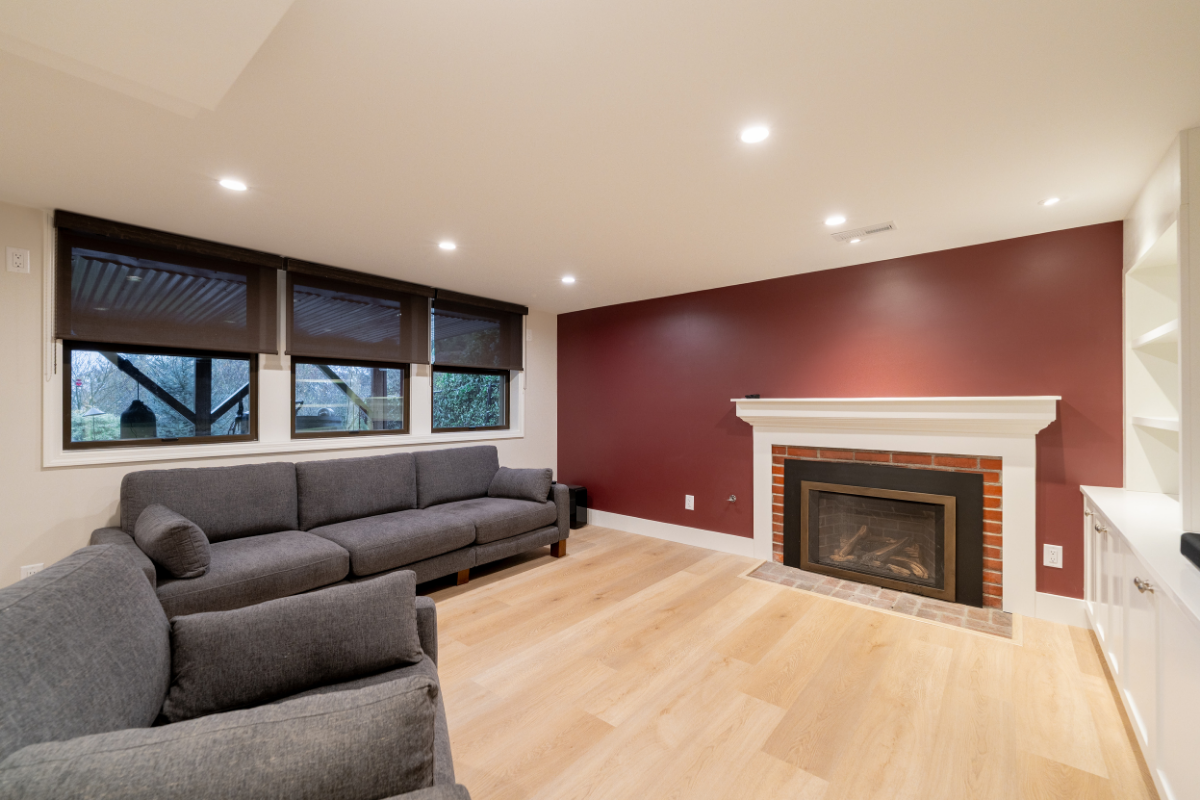
For example, I recently walked through a home that most likely started as an 800-square-foot “war box.” Over the years, the owners kept adding to the home’s footprint wherever it seemed easiest. The front porch was enclosed to create a tight dining area. Then a side porch became a landing path. Eventually, after decades of incremental changes, an addition was built off the back of the house and is now used as the primary suite.
On paper, it functions as a bedroom. In reality, it feels more like a living room. It has the only fireplace in the house, and it is the sole access point to the backyard. Every time someone wants to go outside, they walk through what is technically the primary bedroom.
That wasn’t intentional. It was the result of solving short-term needs without stepping back to look at the home holistically.
Buyers are not paying for square footage alone. They are paying for how the space works. An addition that disrupts circulation, privacy, or flow can limit resale value even if it increases the total size of the home.
.png?width=1200&height=800&name=north-admiral-basement%20(20).png)
How Placement, Flow, and Cohesion Shape Perceived Value
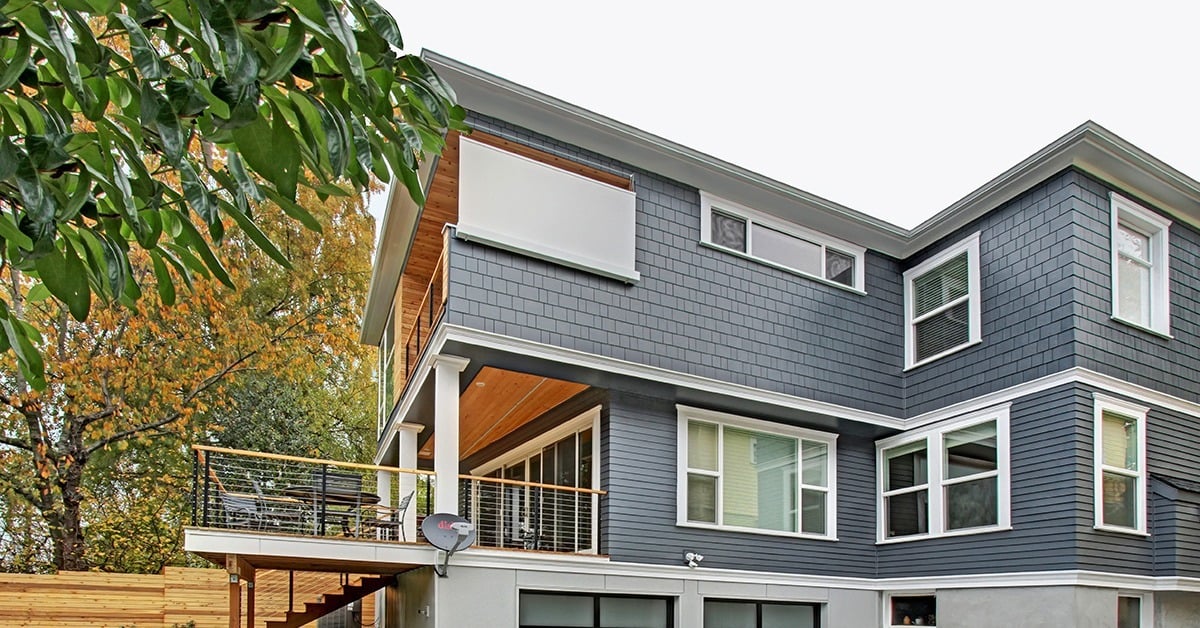
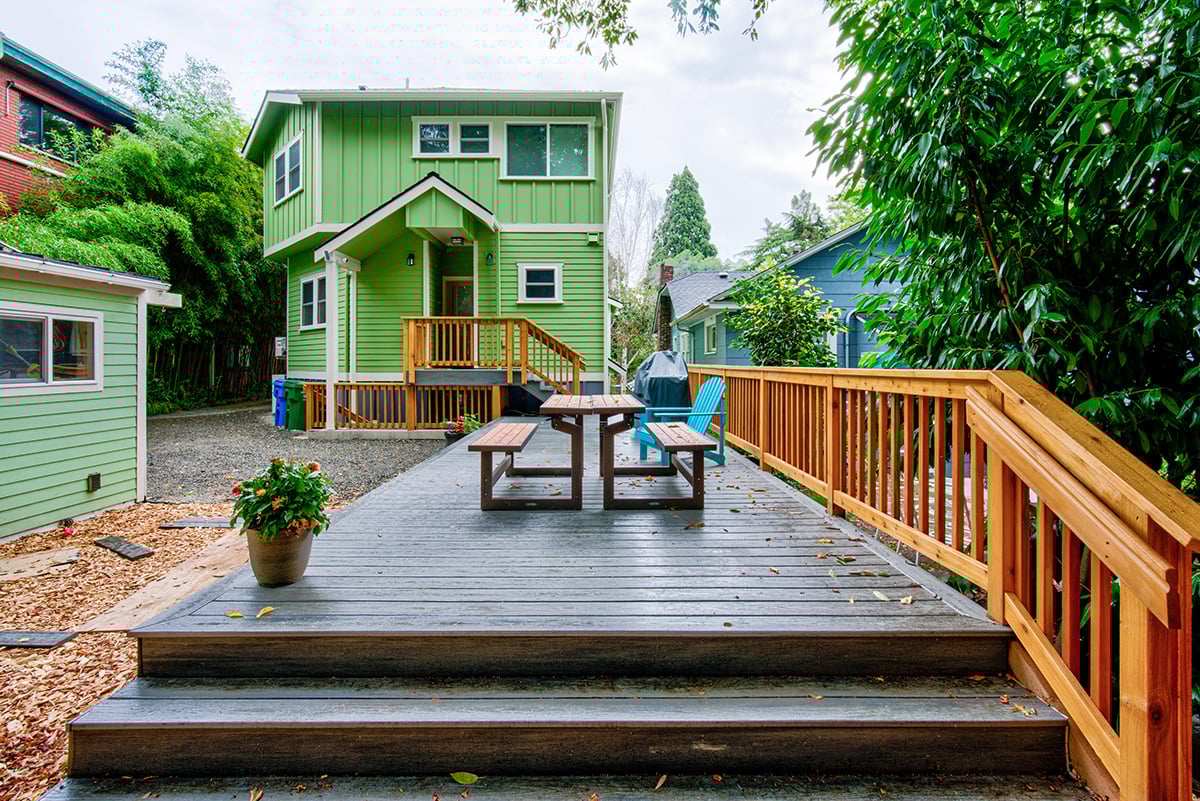
Where an addition is placed matters just as much as what it includes. Street-facing additions, second-story expansions, and rear additions that improve indoor-outdoor flow are all perceived differently by buyers.
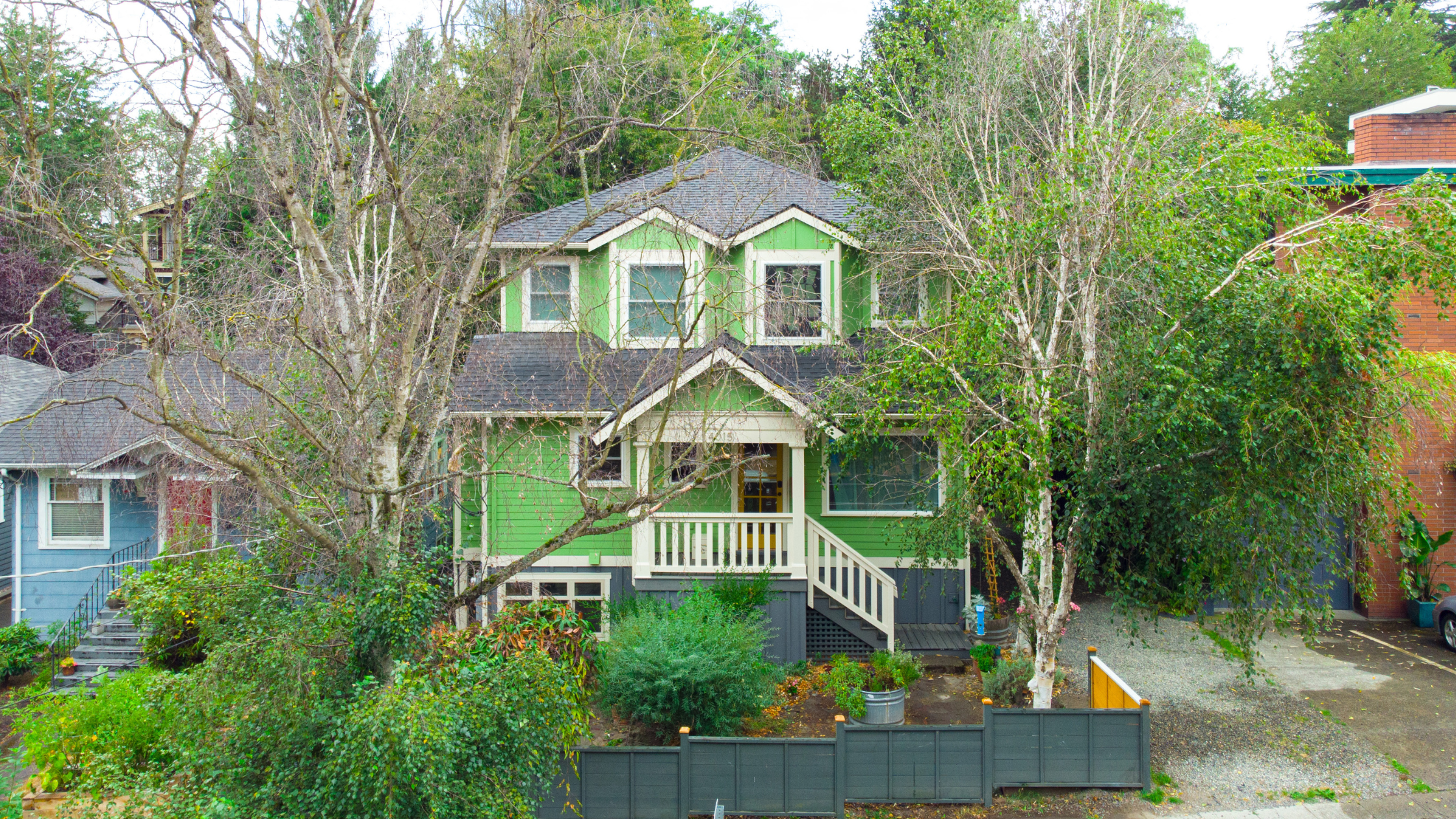
In real estate, value is tied to conformity. You do not want to be the best or the worst house on the block. You want to fit comfortably within the neighborhood. While zoning and building codes may define what is allowed, they do not define what feels appropriate within a street or community.
I have seen homes where bright exterior trim colors and oversized yard sculptures made the house stand out dramatically. While memorable, those choices instantly narrow the pool of potential buyers. Additions should enhance curb appeal, not create friction with the surrounding neighborhood.
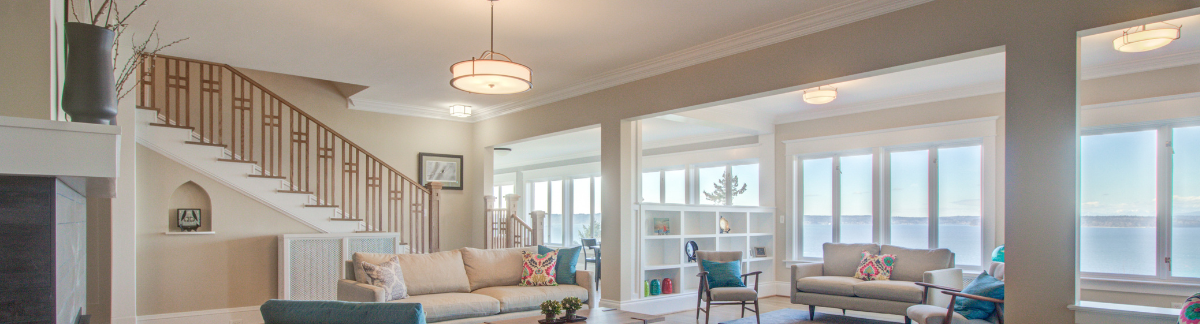
Once inside, buyers mentally walk the home. They notice how spaces connect, where circulation flows, and whether rooms feel intuitive or awkward. An addition that forces movement through bedrooms, interrupts privacy, or creates confusing transitions raises concerns, no matter how beautiful the finishes are.
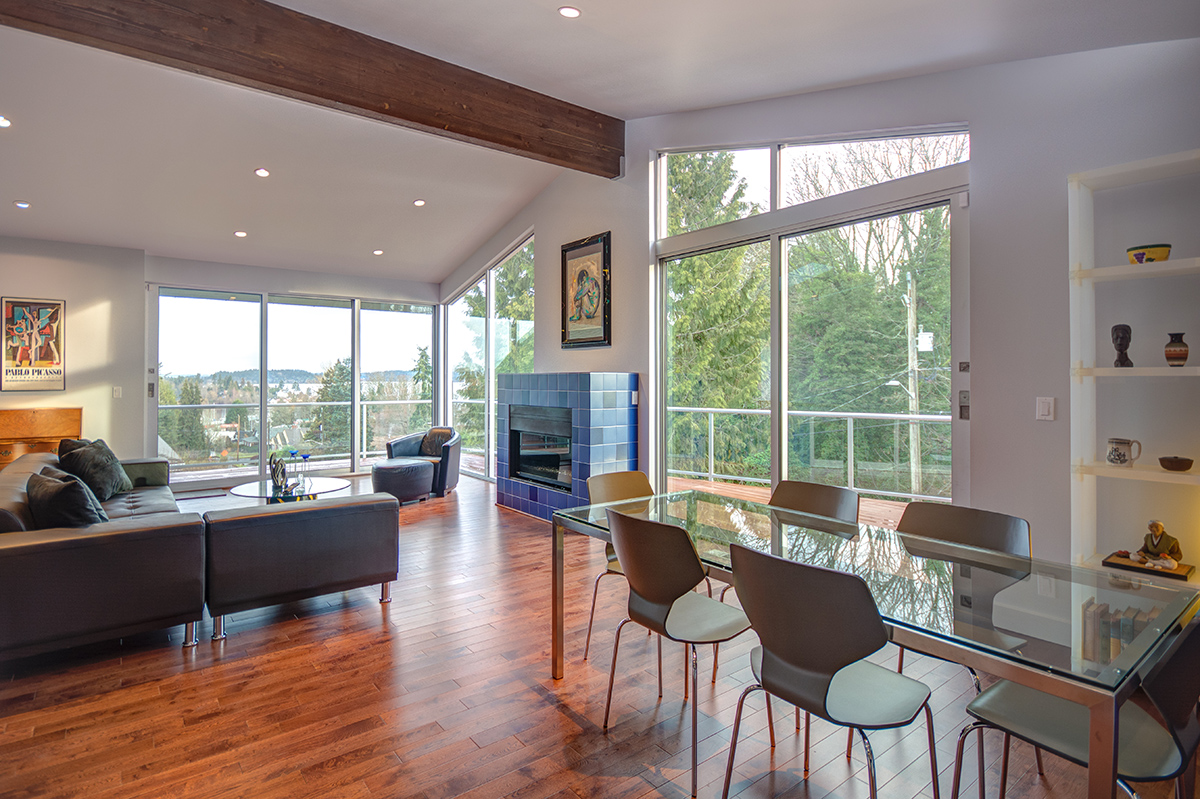
This is why the best additions feel like they were always part of the original home. Ceiling heights, window alignment, rooflines, and transitions between old and new spaces all influence whether buyers see the home as cohesive or compromised. When flow feels natural, perceived value rises.
Additions Deliver Immediate ROI Because They Increase Square Footage
One reason additions are so appealing is that the math is easy to understand.
Take your home’s estimated value and divide it by the total square footage. That gives you a rough per-square-foot value.
For example:
- $850,000 home
- 2,500 square feet
- Roughly $340 per square foot
That number gives a rough sense of the value added the moment new square footage exists.
It is important to be clear about expectations. In many cases, the cost to add square footage exceeds the current per-square-foot value, especially when factoring in site conditions, structure, finishes, and mechanical systems. That does not mean the investment is wrong. It means that additions often deliver part of their return immediately, with the remainder realized over time through market appreciation.
Unlike a kitchen remodel, which may only pay off when market conditions align, a home addition increases usable living space right away. Square footage is one of the few home investments that buyers and appraisers immediately understand and value.
Over the long term, Seattle home prices have historically appreciated in the mid-single digits annually. That appreciation helps close the gap between upfront investment and resale value over time, especially when the addition improves overall function and appeal.
 The most valuable step often happens before design begins. Download the Complete Home Addition Handbook: From Vision to Reality and start with a clearer, more strategic plan.
Forever Home vs. Future Sale Is the Lens for Every Decision
Before committing to an addition, it is worth asking an uncomfortable but important question: Does it make more sense to renovate, or would selling and buying a different home serve you better?
Sometimes the right answer is not another project. Sometimes it is a smarter long-term move. There is no universally correct choice, but ignoring the question entirely often leads to regret later.
Even if you plan to stay long term, most homeowners are still designing for a future version of themselves. How you use your home today is rarely how you will use it ten or fifteen years from now. If resale is even a possibility, every home addition decision should balance personal needs with long-term market expectations.
This lens should guide layout, access, bedroom count, and how the new space integrates with the existing home. Designing only for today can quietly limit tomorrow’s options.
.png?width=1500&height=800&name=queen-anne-before-after%20(1).png)
The Addition Should Feel Like It Was Always There
One of the most common resale killers is an addition that feels tacked on.
Ceiling heights, window alignment, rooflines, and transitions between old and new spaces all matter. Flow matters just as much as appearance. An addition accessed only through a bedroom, office, or awkward hallway may work for your family today, but it raises immediate questions for future buyers.
There are also long-term use considerations that often get overlooked.
A loft accessed by a steep ladder might feel fun and creative now. Later in life, after an injury, during pregnancy, or with young children, that same feature can become a liability.
For example, I recently spoke with a young couple in their mid-to-late 30s who live in a smaller Seattle home and love to entertain. Their initial request was straightforward: they wanted a larger deck so parties could spill out from the kitchen and everyone could gather in one shared space.
But as the conversation unfolded, I asked a different question: When you are in your mid-40s, will you still want to be entertaining outside when it is 45 degrees in the spring or fall? Or does it make more sense to expand the indoor entertaining space to better support how you will actually live over time?
The answer is not that outdoor space is wrong. It is about thinking ahead. If entertaining will still include the outdoors, does that space need to be covered? Should it include heating elements to make it usable more months of the year? How you use your home today is rarely how you will use it ten years from now, and additions should account for that shift from the very beginning.
The best additions improve flow, relieve pressure points, and make the entire home function better.
Balance the Space for Broad Buyer Appeal
Personalization is not the enemy of resale value; over-personalization is.
If you are getting your return on investment by living well in the space and it does not significantly reduce buyer appeal, it is usually worth doing. The key is balance.
A common example is the bathtub debate. Real estate advice often insists that every home must have a tub. In reality, removing a bathtub rarely eliminates buyers. If a future owner wants a tub, it can be added back.
The problem arises when every bathroom is treated the same way. Turning all baths into open wet rooms may feel luxurious now, but it can create functional issues for families down the road.
Flexibility wins. Spaces that can adapt as family rooms, guest rooms, offices, or suites tend to hold value better than highly specialized rooms. The more adaptable the space, the more valuable it becomes.
Code Compliance and Permitting Protect Your Investment
Unpermitted or poorly executed additions can derail resale entirely.
Buyers and inspectors scrutinize additions more than original construction. Missing permits, unclear documentation, or questionable workmanship slow transactions and create negotiation leverage for buyers.
That said, compliance alone is not enough. A poorly planned layout can meet code and still create long-term functional issues. A well-documented, code-compliant addition protects the home’s value and reduces friction when it is time to sell.
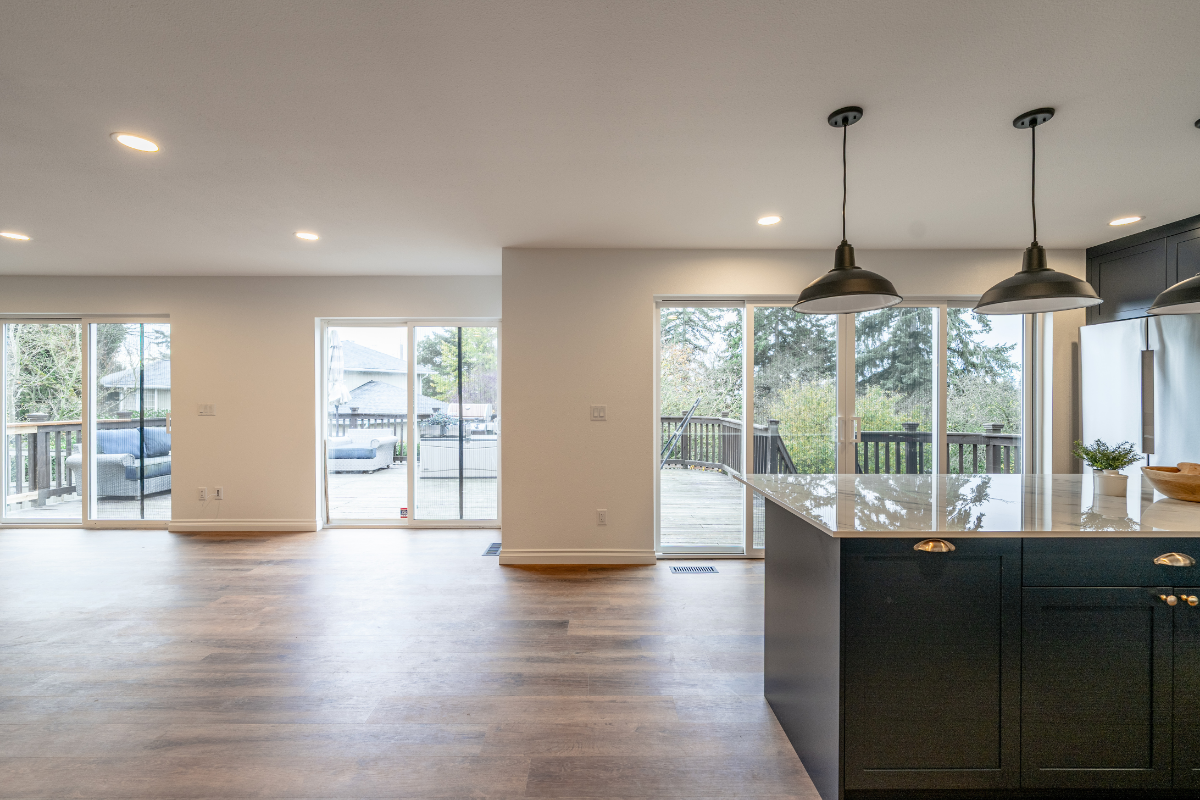
Design-Build Coordination Reduces Costly Resale Mistakes
Home addition renovations are complex. Structural feasibility, layout, budget, and construction sequencing all influence the outcome.
When design and construction teams collaborate early, ideas are vetted before they reach the field. That reduces costly changes and ensures what looks good on paper works in reality.
Additions that fail in execution often create resale obstacles even if the design looked great.
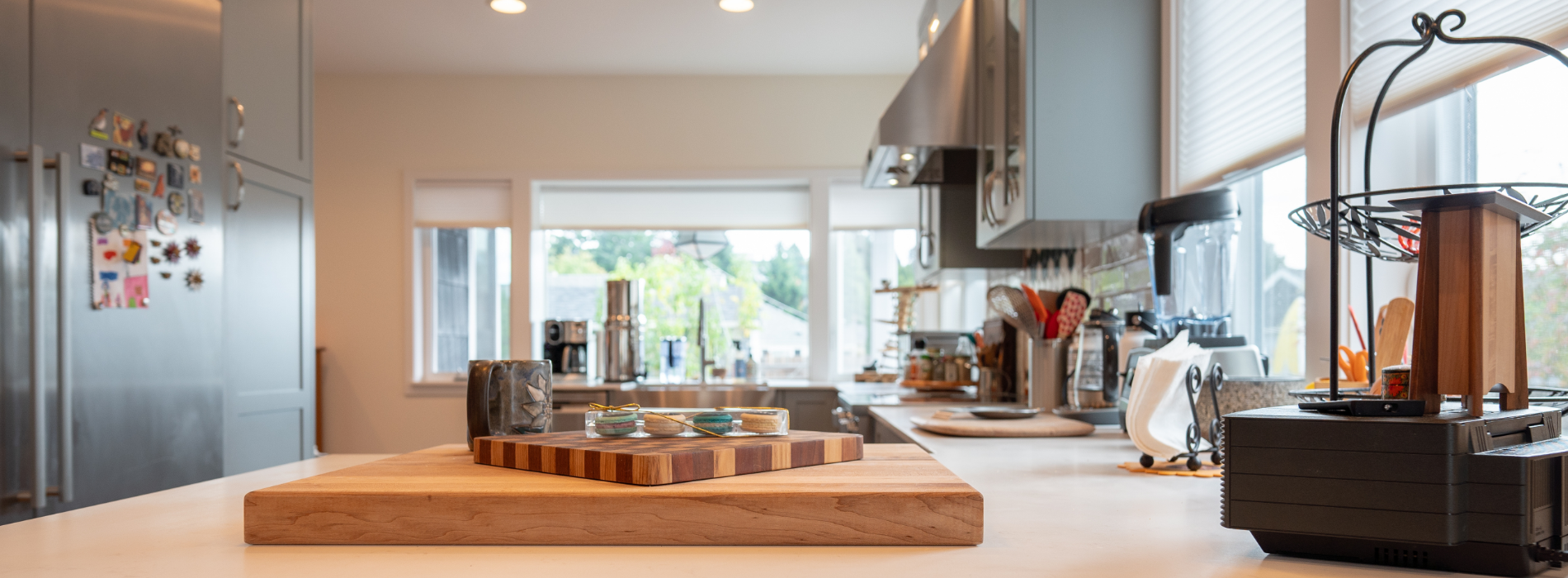
Before You Add On, Step Back
The need for one more bedroom often signals broader pressures in the home, from storage and circulation to privacy and flexibility. This is where being open to an outside perspective matters. Not to override what you want, but to help uncover what you truly need, both now and in the years ahead.
Sometimes that clarity leads to a solution you did not initially expect. Sometimes it leads to a thoughtful, phased approach that addresses today’s needs while setting the home up to evolve over time. When the right problem is clearly defined, additions stop being reactive fixes and start becoming long-term investments in how the home actually works.
If you are considering a home addition, the most valuable step often comes before design or construction. It starts with understanding the decisions that shape cost, function, and long-term value.
Start with a clearer plan.
Download Your Complete Home Addition Handbook: From Vision to Reality and explore what it takes to design an addition that works today and holds value tomorrow.




.png)